How Seasonal Events Shape Local Culture
Seasonal events play a crucial role in cultivating community spirit and a shared cultural identity. In the United States, festivals, parades, and other local activities reflect and influence the social fabric of towns and cities, promoting engagement and connection among citizens.
The Role of Seasonal Events
Seasonal events often serve as a means of celebration, commemoration, and cultural expression. According to research conducted by the National Endowment for the Arts, engaging in community activities, such as festivals, can enhance social cohesion and promote well-being. Many users report feeling a stronger sense of belonging when participating in these events, which is why they are vital for local culture.
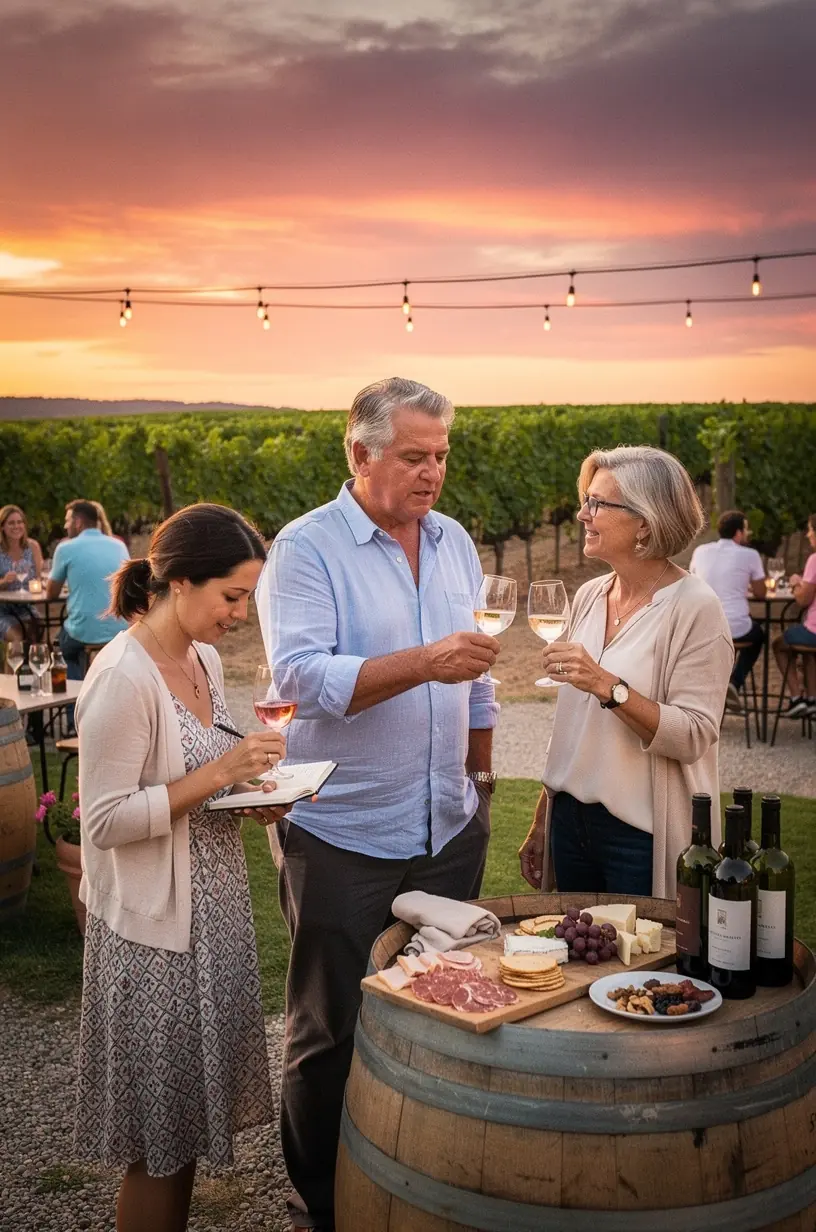
"Community events create opportunities for individuals to connect, fostering a sense of unity and shared identity." - Cultural Sociologist
Types of Seasonal Events
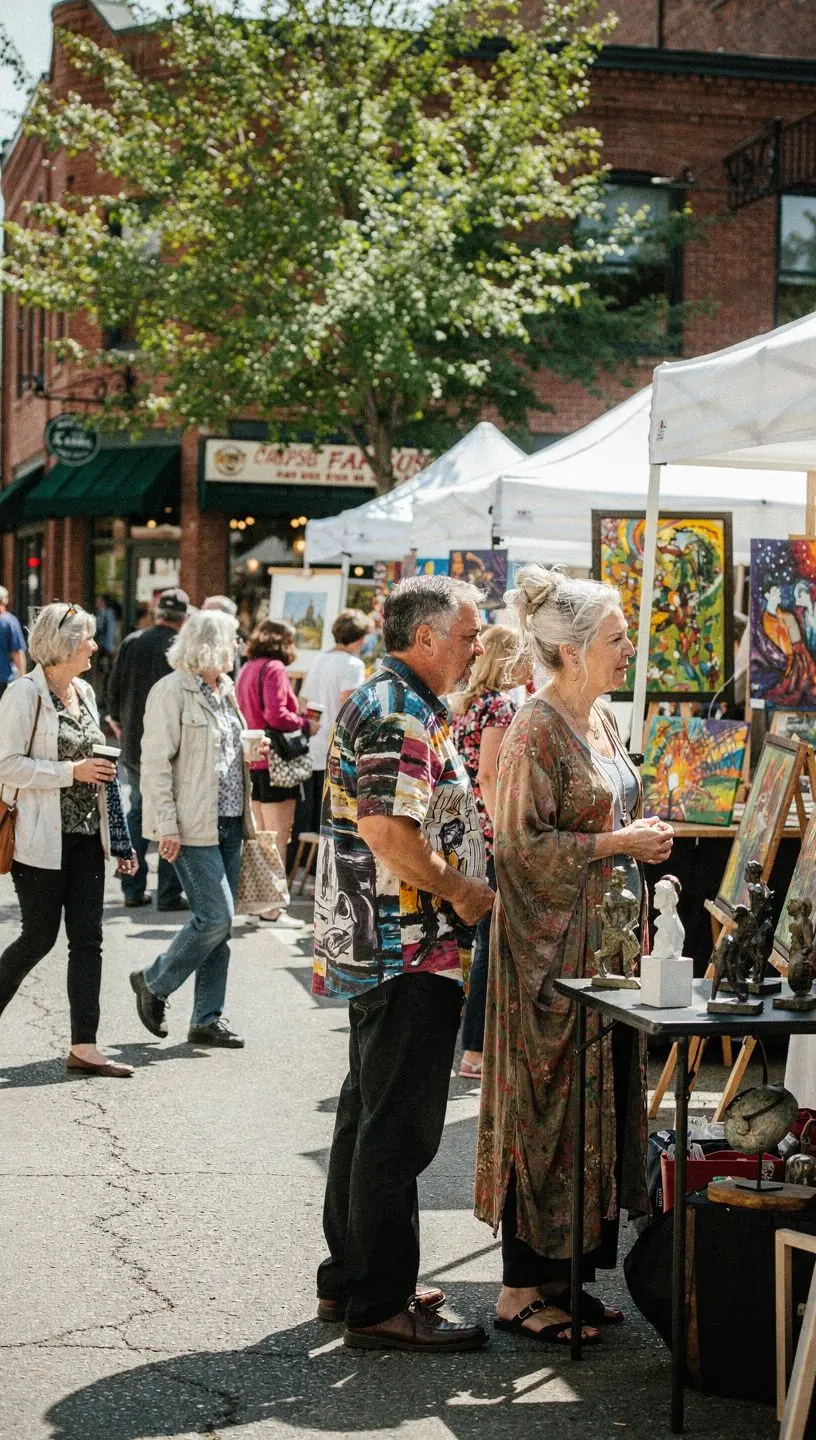
- Festivals: These often celebrate local heritage, art, or food, attracting visitors and fostering local pride. They frequently involve performances, crafts, and culinary showcases.
- Holidays: Major holidays, such as Thanksgiving and Independence Day, see local parades and community gatherings, reinforcing traditional values and customs.
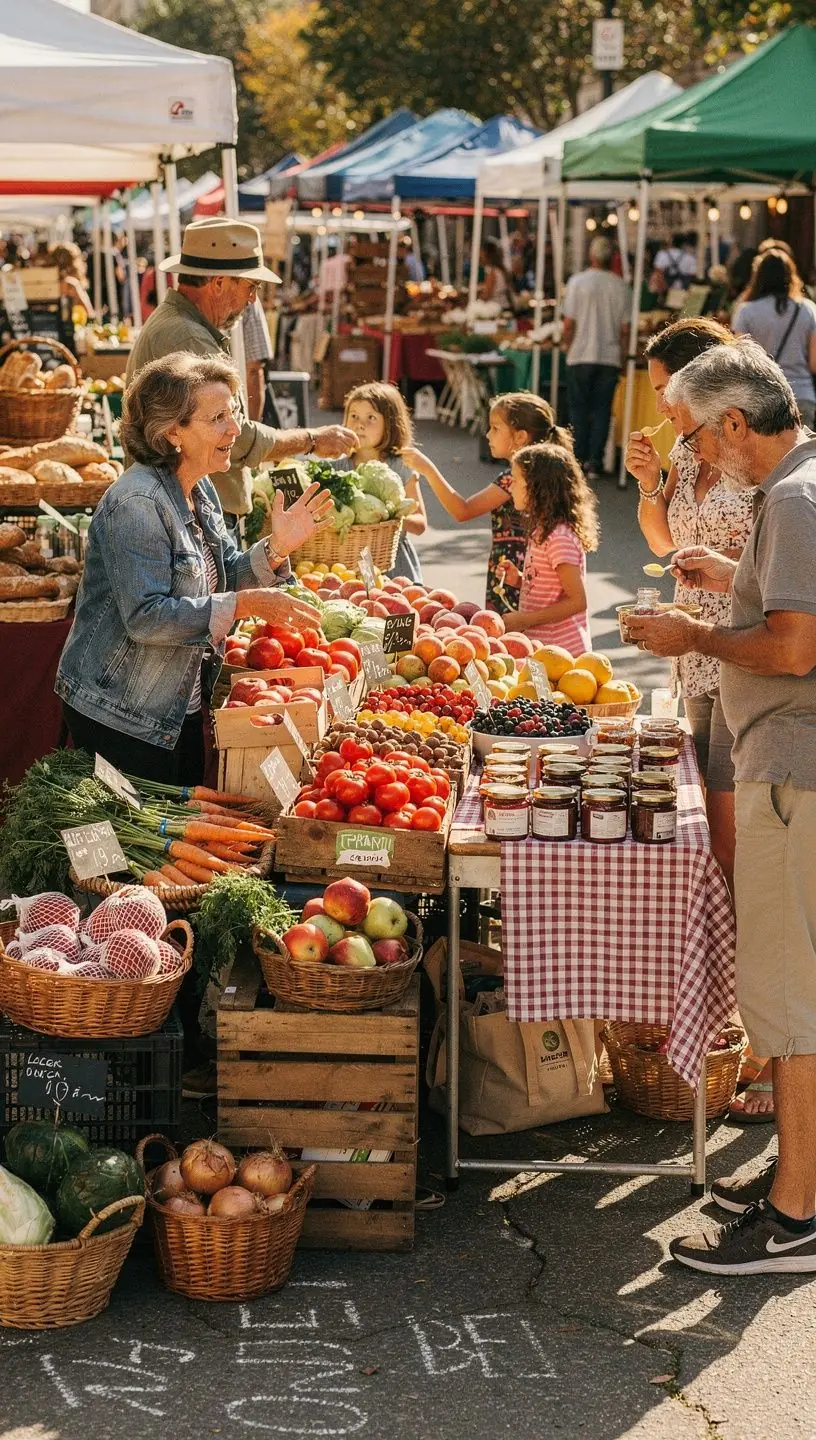
- Seasonal Markets: Farmers' markets and holiday markets not only support local economies but also provide a platform for cultural exchange and community engagement.
Impact on Local Culture
These events can shape local culture in several ways:
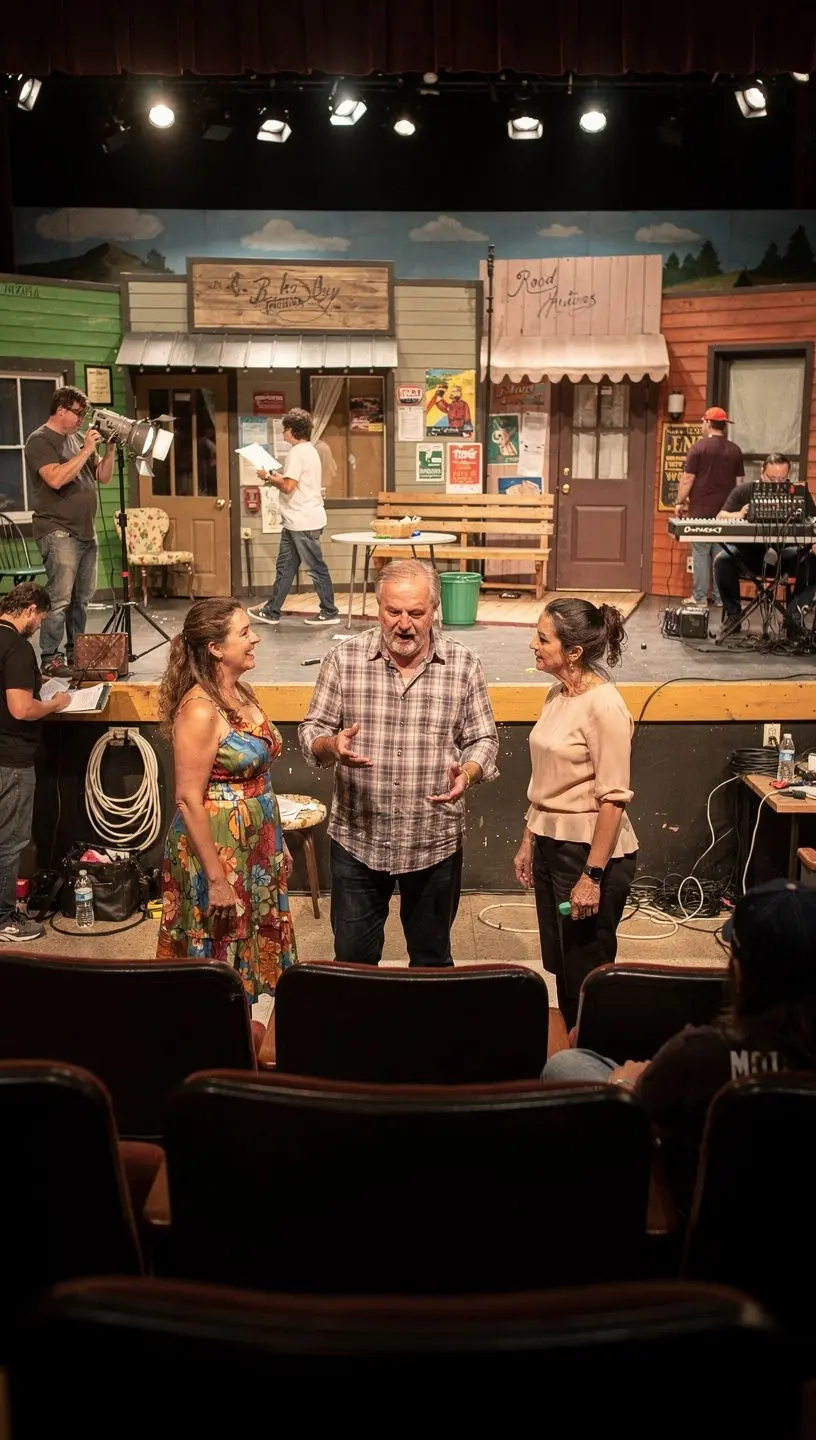
- Encouraging Participation: Seasonal events often require volunteer participation, which helps individuals invest time and effort into their community. This involvement can lead to increased civic engagement.
- Creating Traditions: As communities celebrate seasonal events year after year, they establish traditions that can be passed down through generations, further solidifying cultural identity.
- Fostering Economic Growth: Research indicates that local festivals can boost the economy by attracting tourists and supporting local businesses. This economic activity helps sustain cultural events long-term.
Challenges and Considerations
While seasonal events contribute positively to local culture, they are not without challenges. Organizing these events typically requires significant planning and resources. Experts recommend that communities assess their available resources and volunteer base to ensure successful execution. Additionally, events may require permits, funding, and community buy-in, which can pose logistical hurdles.
Conclusion
In conclusion, seasonal events significantly influence local culture by fostering community spirit, creating traditions, and stimulating economic growth. While organizing these events can be challenging, the benefits they provide in terms of social connections and cultural identity often outweigh the difficulties. By participating in and supporting local seasonal events, residents can help shape a vibrant cultural landscape that reflects their community's values and heritage.